
Essential Tips for Comfortable Walking
Master the fundamentals of comfortable outdoor walking with practical advice for enjoying arboretum trails and sculpture parks at your own pace.
Author
Shoprookies Editorial Team
Editorial Team
Written by the shoprookies Editorial Team, focused on practical, honest descriptions of arboretum and sculpture park walks for retirees.
Why Comfort Matters on the Trail
Walking in arboretums and sculpture parks should be enjoyable, not something you dread. Yet so many people cut their visits short because their feet hurt, their knees ache, or they're just not prepared. The good news? Most of these problems are completely preventable.
Whether you're strolling through Europos Parkas or exploring the historic grounds of Verkiai Manor, you'll want to stay comfortable so you can actually focus on the beauty around you. It's not about having expensive gear — it's about making smart choices before you head out.
Proper footwear is your foundation — everything else builds from there
Start slow and build your walking distance gradually over weeks
Rest stops aren't laziness — they're smart strategy
Get Your Feet Right First
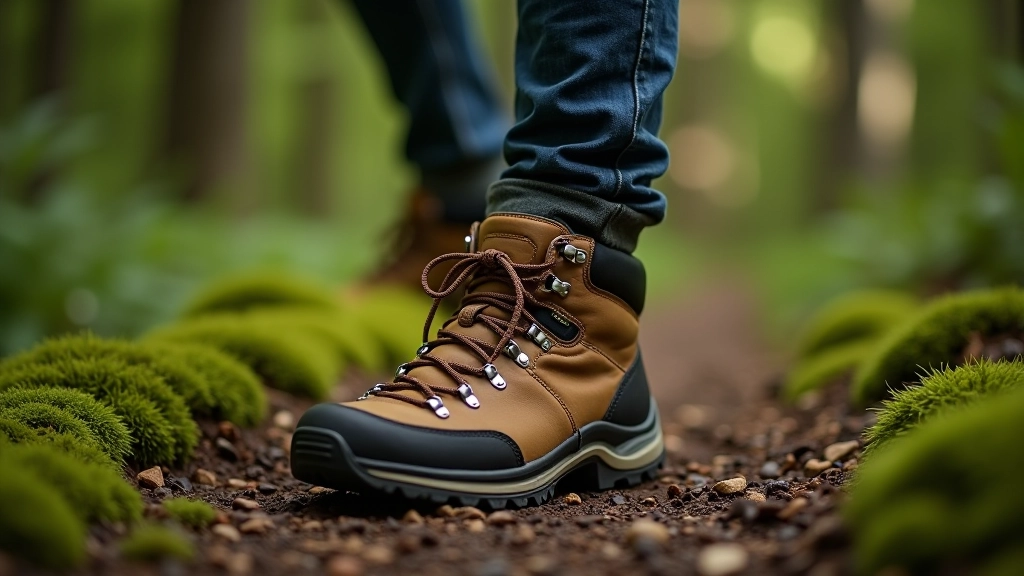
Your shoes make or break your walk. We're not talking about fashion here — we're talking about shoes designed for the actual work your feet are doing. When you're walking 3-4 kilometers through a park, your feet are working hard.
Look for shoes with proper arch support. Don't just grab whatever's on sale. Visit a shop that actually measures your foot or try shoes on in the afternoon (your feet swell throughout the day). You want at least a thumb's width of space between your longest toe and the shoe end.
Moisture management matters too. If your feet stay wet, you'll get blisters. Merino wool or synthetic moisture-wicking socks keep your feet dry. Cotton? It holds moisture and causes problems. Break in new shoes gradually — wear them around your home for a few days before taking them on a long walk.

Warm Up and Cool Down Properly
Your body isn't a machine you just switch on. Give it 5-10 minutes before you hit the main trail. Start with a slow walk around flat ground. Do some gentle leg swings. Rotate your ankles. This isn't wasting time — it's preventing injuries.
The same goes for when you're done. Don't just plop down immediately after your walk. Walk slowly for a few minutes to let your heart rate come down gradually. Then do some gentle stretching while your muscles are still warm. Hold each stretch for 20-30 seconds — no bouncing.
Pay special attention to your calves, hamstrings, and hip flexors. These muscles do most of the work during walking. If you stretch them regularly, you'll notice less soreness the next day and better flexibility overall.
Choose activities that match your fitness level, check local conditions before travelling, and speak with your GP if you have health concerns before starting a new activity.
Know Your Limits and Build Gradually
Don't do too much too soon. If you haven't walked regularly in years, start with 20-30 minutes. Walk at a pace where you can still hold a conversation. If you're huffing and puffing, you're going too fast.
Add distance gradually. After a week or two of comfortable 30-minute walks, extend by 10 minutes. Keep building from there. Your body adapts better to gradual increases than sudden jumps. You're building endurance, not running a race.
Pay attention to how you feel. Mild tiredness? That's normal. Sharp pain? That's your signal to stop. Distinguish between the two. Soreness 24 hours later is often just your muscles adjusting to new activity. But pain during walking means something's wrong.

Stay Hydrated and Fuel Properly
Bring water. Not "maybe bring water" — actually bring it. You'll feel thirsty only after you're already getting dehydrated. Drink small amounts regularly rather than huge amounts at the end. A 500ml bottle for a 1-2 hour walk is reasonable for most people.
For walks longer than 90 minutes, bring a snack. A banana, some nuts, or a granola bar gives your body fuel. You don't need a massive meal — just something to keep your energy stable. Low energy leads to poor form, which leads to aches.
Eat something light an hour or two before you walk. Walking on an empty stomach means you'll fatigue faster. But don't eat a heavy meal right before — that's uncomfortable. A light snack works best.
Take Real Breaks and Respect Rest Days
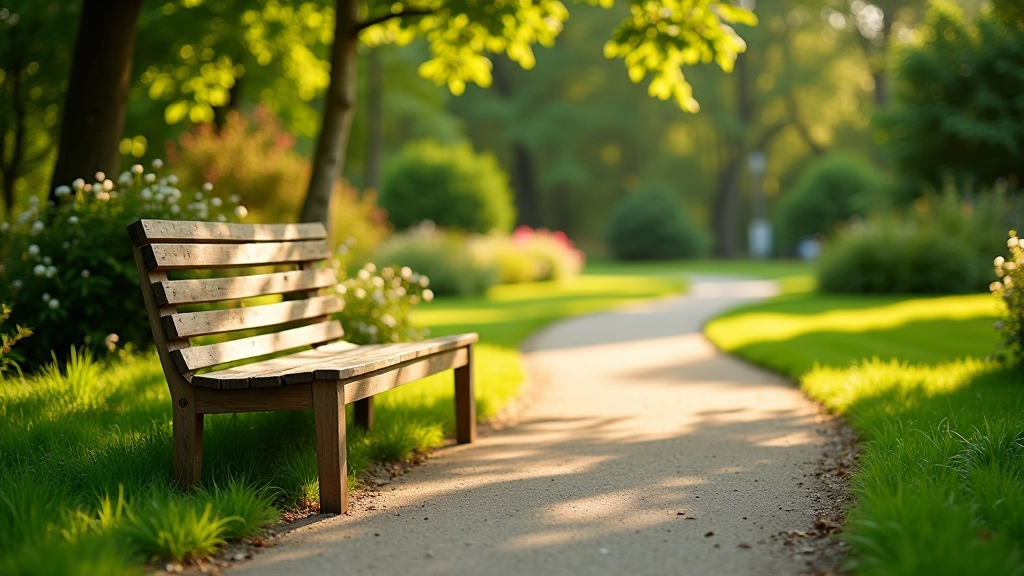
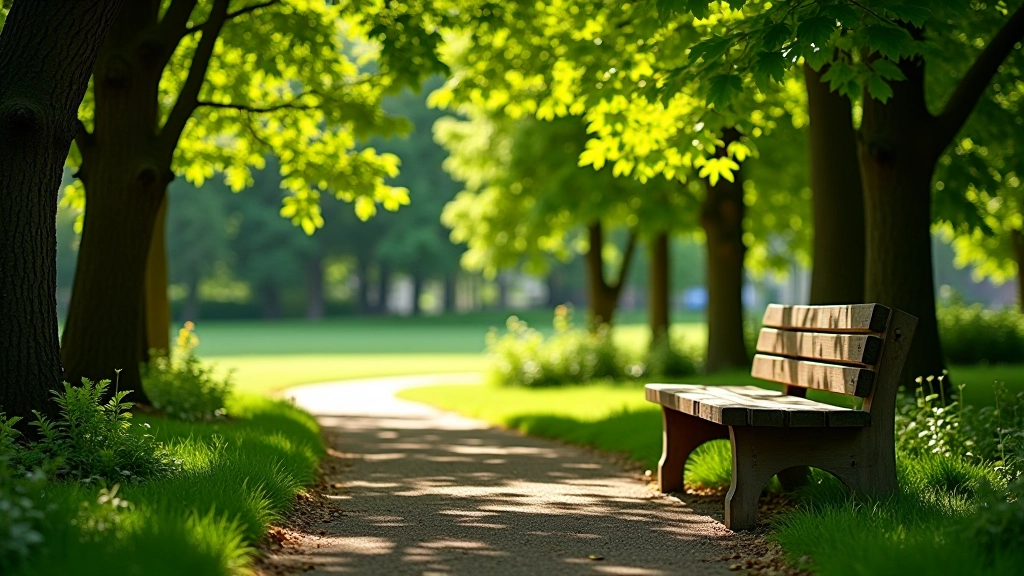
Benches exist for a reason. Sit down. Rest. There's absolutely no shame in stopping to enjoy the view for 10 minutes. This isn't a race. You're out there to enjoy yourself, not to prove something.
After a good walk, your body needs recovery time. Don't go out and do the exact same distance the next day. Take at least one rest day per week. Use that day for gentle activity like stretching or a short leisurely stroll. Your muscles rebuild during rest — that's when you actually get stronger.
Listen to your body. If your knees feel sore or your feet are throbbing, that's feedback. Take an extra rest day. The trails will still be there in a few days. Being smart about recovery keeps you walking for years, not just weeks.
The Real Secret? Consistency Over Heroics
Comfortable walking isn't complicated. It's about making smart choices — good shoes, proper pacing, regular practice, and listening to your body. You don't need special equipment or complicated routines.
Start where you are. Walk at a pace that feels natural. Build gradually. Take breaks without guilt. These simple habits mean you'll still be enjoying arboretum walks and sculpture park visits years from now. That's the real win.
Related Articles

Europos Parkas Main Loop Trail
A comprehensive walk through the sculpture park's core installations. Includes route details, distance, and rest points.

Verkiai Manor Arboretum Tour
Wander through centuries-old specimen trees and discover the manor's botanical heritage and historic grounds.

Quiet Routes for Peaceful Walks
Discover the lesser-known paths through arboretums and sculpture parks designed for peaceful, solitary exploration.