
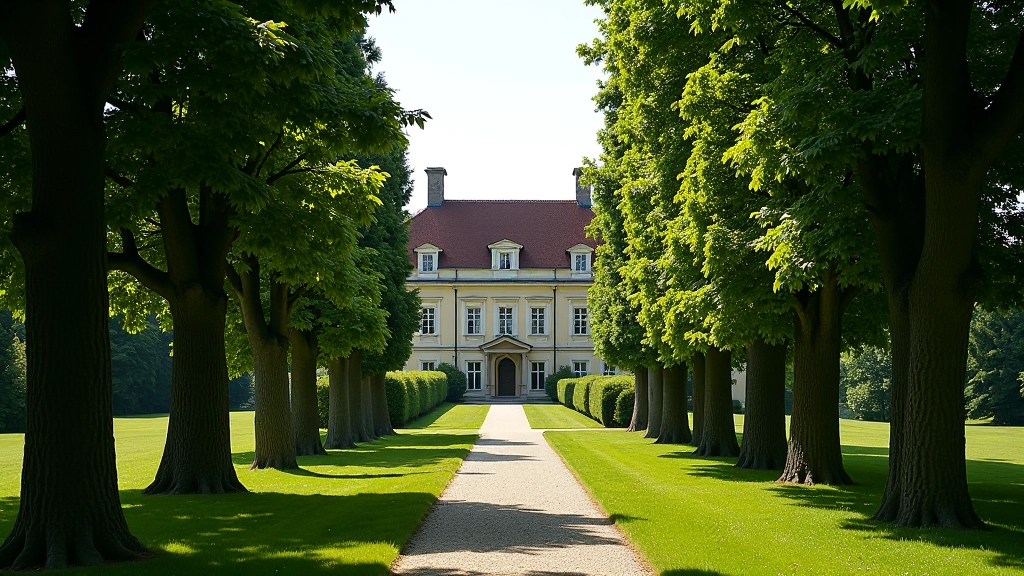
Verkiai Manor Arboretum Tour
Wander through centuries-old specimen trees and discover the manor's botanical heritage.
A comprehensive walk through the sculpture park's core installations. Includes rest points, water features, and seasonal highlights you shouldn't miss.
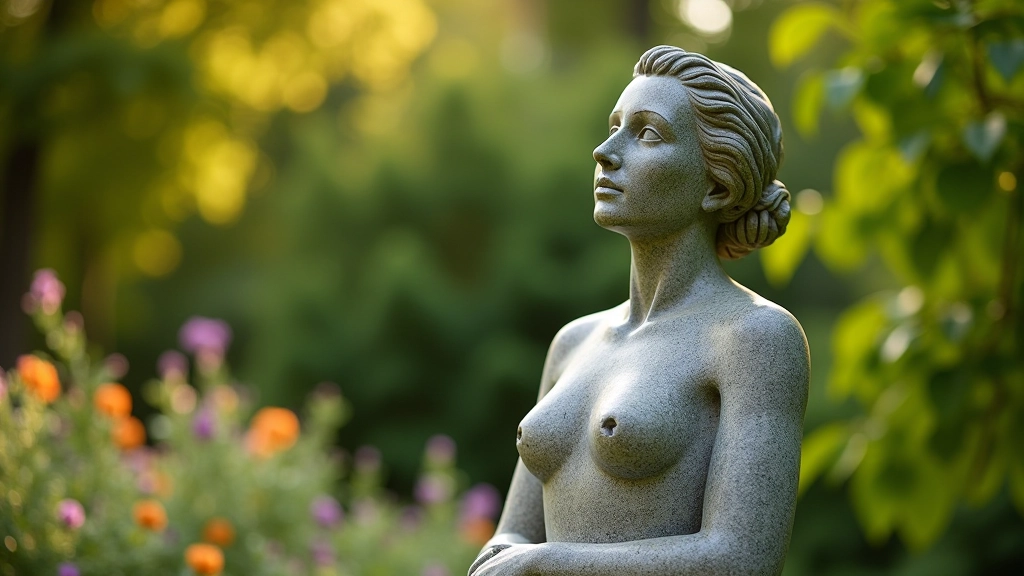
The main loop at Europos Parkas takes you through one of Lithuania's most distinctive open-air sculpture experiences. You're walking among contemporary art pieces set into natural forest and parkland — it's a different kind of walk than you'll find most places. The route itself is well-marked and manageable for different fitness levels, with plenty of places to pause and actually look at what's around you.
We've put together this guide because the park can feel overwhelming at first. There's a lot to see, and if you don't know what you're looking for, you might miss the details that make the place special. You'll get a sense of the route's layout, where the best rest spots are, and what makes each section worth your time.
The main loop covers roughly 3.5 kilometers and takes between 90 minutes to two hours depending on how long you spend at each sculpture. That's assuming a steady pace — if you're the type who likes to sit and observe, you'll want more time. The path circles through the park's central area, so you're not doing a point-and-back route. You start and finish at the visitor entrance.
Most of the trail is on firm ground — gravel paths and some paved sections. There are gentle slopes rather than steep climbs. What matters more is that you'll be walking continuously. It's not strenuous if you're reasonably active, but it's not a casual stroll either. Wear shoes with decent grip because parts of the path can be damp, especially after rain.
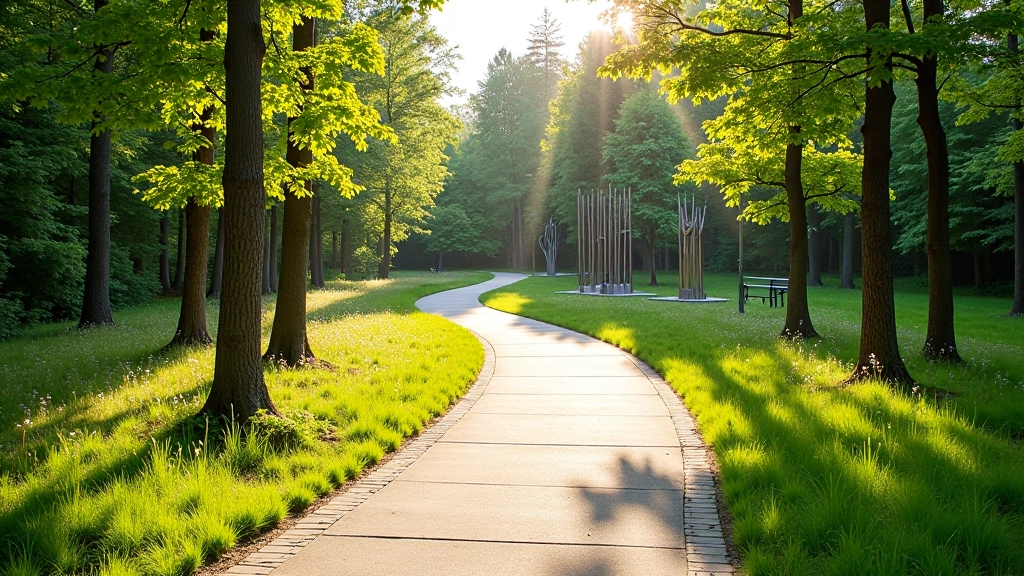
Breaking the route into four natural sections helps you plan your visit and know what to expect at each point. Each section has its own character — different sculpture styles, different views, different energy.
This opening section eases you in. You're moving from the visitor facilities into the actual park. The sculptures here are more accessible — easier to understand at first glance. You'll see abstract forms, geometric shapes, some pieces that play with negative space. There's a small pavilion about 20 minutes in where you can sit if you need a break. It's not dramatic, but it's useful.
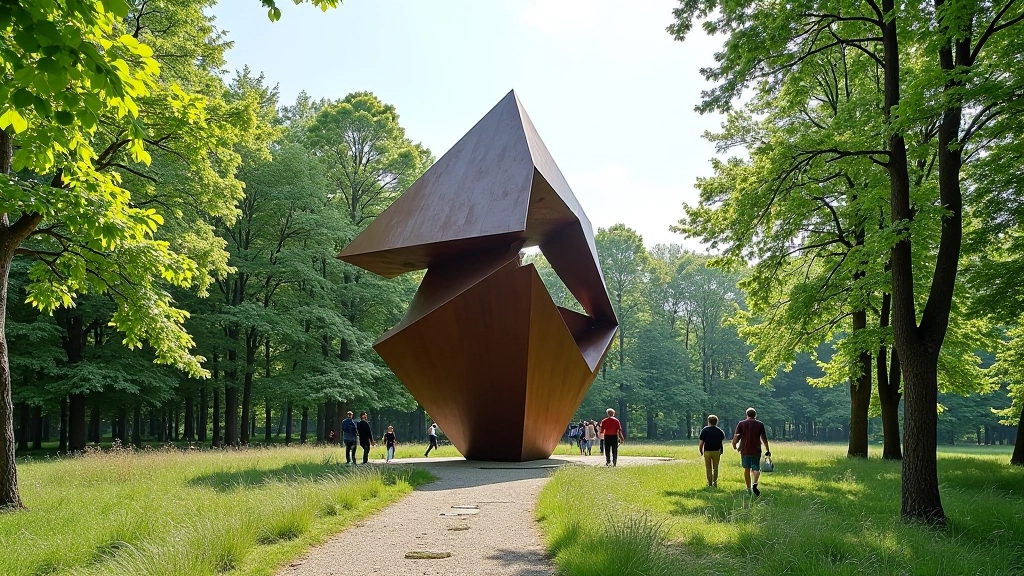
Around the halfway point, the route brings you to where water features are integrated into the landscape. There's a small pond area with sculptures positioned to interact with reflections. The pieces here feel more contemplative. You'll notice how artists use water, light, and surrounding trees as part of their work. This section has several benches strategically placed for sitting and observing. Spring and summer are particularly good times here when the water is active and the vegetation is full.
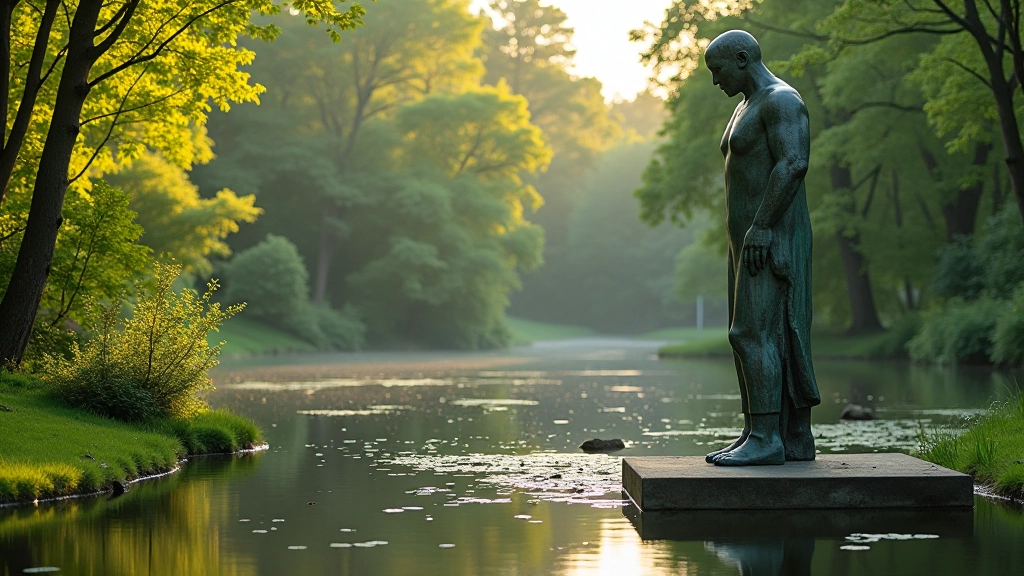
This middle section takes you deeper into the wooded area. The sculptures here are more monumental — larger pieces that command more space. You're walking through taller trees with denser canopy. It feels different from the earlier sections. Some pieces are subtle, requiring you to look carefully. Others are impossible to miss. The path narrows here compared to earlier sections, and you feel more immersed in nature rather than in a park setting.
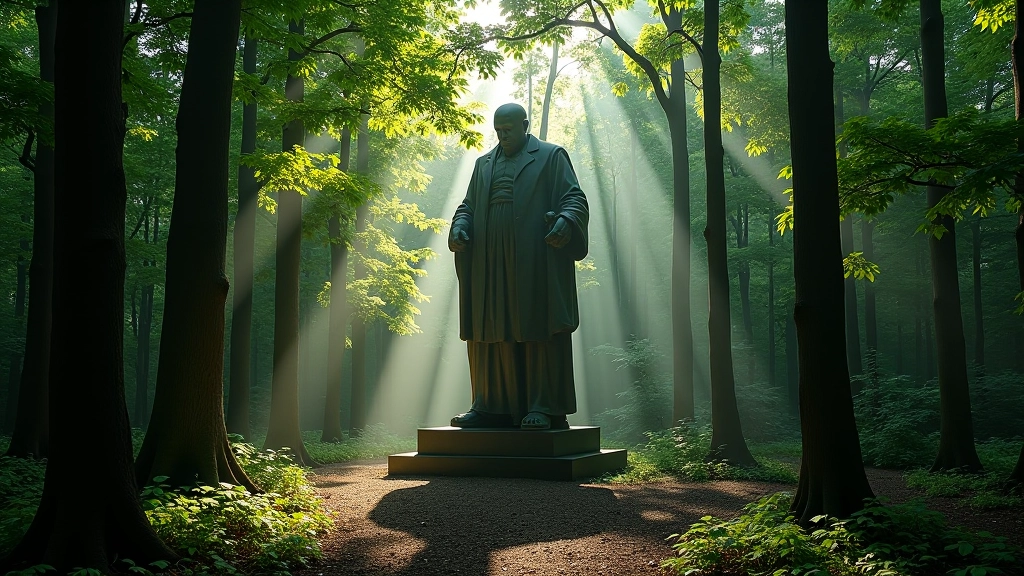
The final section brings you back toward the entrance area. It's not a repetition of what you've already seen — the path loops around so you approach familiar territory from new angles. There's a larger pavilion in this section with better facilities. It's a good place to rest before heading back if you're feeling tired. The park has planted this area more densely with native trees, so it feels quieter than the opening section.
Choose a walking pace and distance that match your fitness level. Check local conditions and weather before traveling — paths can be slippery after rain. If you have health concerns or haven't walked distances like this recently, it's worth speaking with your GP before starting. The park is open year-round, but spring through autumn offers the best experience.
Start early if you can. The park gets busier in late morning and afternoon, especially on weekends. You'll have a quieter experience and better light for photography if that matters to you. Bring water — there's a facility at the entrance but nothing else along the route. Wear layers. Even in summer, it's cooler under the forest canopy, and weather changes quickly.
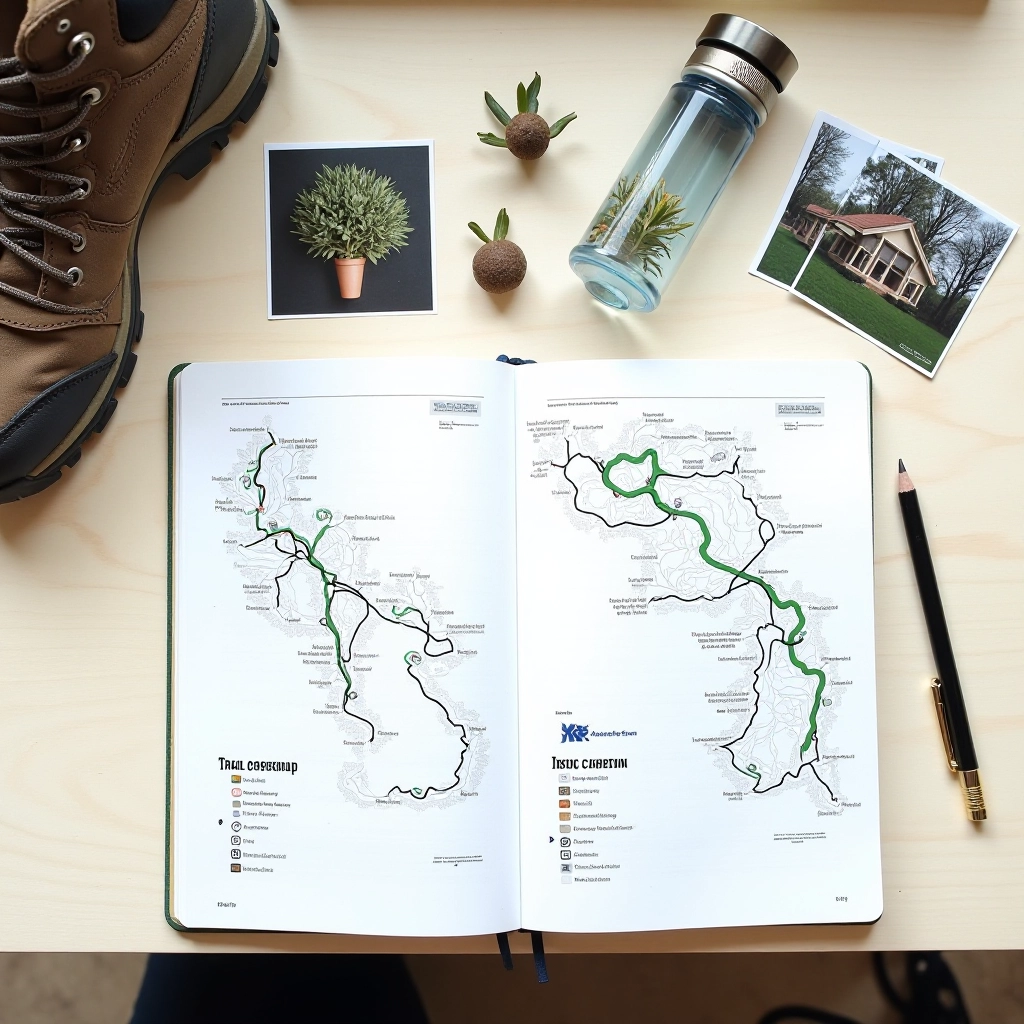
The visitor center has a small map and some background information about the sculptures. It's worth spending 10 minutes there before you start walking. You'll understand the artists' intentions better, which makes looking at the work more interesting. Parking is straightforward — there's a dedicated lot near the entrance.
The best times to visit are May through September when everything's in growth and the weather's reliable. Autumn is also lovely if you don't mind cooler temperatures. Winter walking is possible but fewer people do it, and the park's quietness can feel a bit austere rather than peaceful.
Spring (April–May): Everything's fresh and growing. The sculptures stand out against new foliage. It's muddy in places, so proper footwear matters more. Fewer visitors means you'll have sculptures to yourself.
Summer (June–August): The canopy is full and dense. Sculptures get shaded and mysterious. It's cooler under the trees, which is actually nice for walking. The park's busiest during this season, particularly mid-week afternoons.
Autumn (September–October): The light changes dramatically. Lower sun angles create interesting shadows and highlights on the sculptures. Fewer people than summer but still regular foot traffic. Colors shift from green to gold.
Winter (November–March): The forest is more open and sparse. You see further through the trees. Some sculptures become more prominent without leaf cover. It's quiet — sometimes uncomfortably quiet. Ground can be icy in places.
The main loop isn't a race. It's not about checking off sculptures or hitting a step count. It's about moving through a space where artists have deliberately placed work to make you think about art, nature, and how they intersect. Some sculptures you'll love immediately. Others will confuse you at first. That's fine. You're not supposed to understand everything.
Plan to walk slowly. Sit at the pavilions. Notice how light changes the way pieces look. Watch how other visitors interact with the work. You'll get more from spending two hours really present than from rushing through in 90 minutes. And don't worry about seeing everything — even locals who visit regularly find new details and new ways of looking at pieces they've seen dozens of times.
The walk itself — the movement through space, the rhythm of your feet on the path, the forest around you — that's as much part of the experience as the sculptures. You're combining physical activity with art viewing, and that combination is what makes this place different from a typical museum or a typical forest walk. It's worth your time.
Editorial Team
Written by the shoprookies Editorial Team, focused on practical, honest descriptions of arboretum and sculpture park walks for retirees.
Wander through centuries-old specimen trees and discover the manor's botanical heritage.
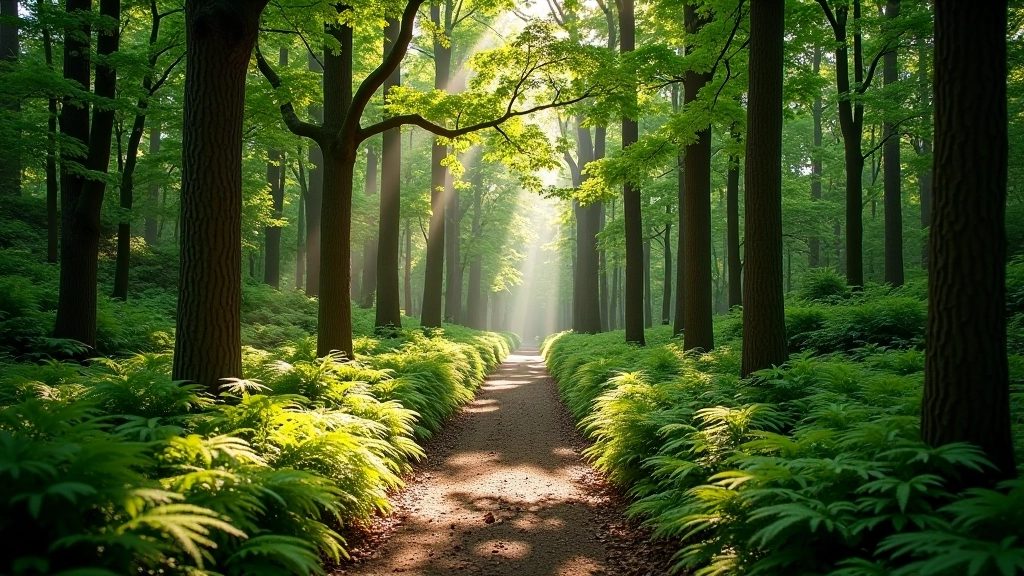
Discover lesser-known paths designed for calm, contemplative forest walking.
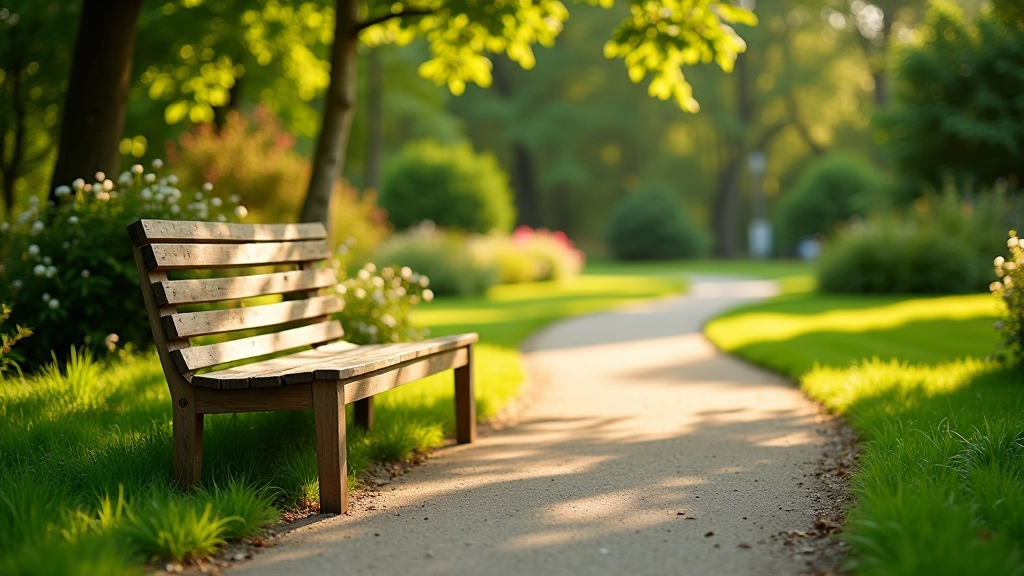
Practical advice for making your walks more enjoyable and sustainable.