Why Peaceful Routes Matter
Walking isn't just exercise — it's a chance to slow down. When you choose a quiet route, you're giving yourself permission to notice things: the way light filters through leaves, the sound of birdsong, the feel of solid ground beneath your feet.
These aren't rushed walks. They're explorations. The best peaceful routes share certain qualities. They avoid busy roads. They offer natural surroundings. They've got clear paths so you're not scrambling over roots or dodging obstacles. And they're designed with rest points — benches, scenic overlooks, places to pause and breathe.
What makes a route truly peaceful? It's the combination of safety, beauty, and purpose. You need to feel secure walking it. You need something worth looking at. And you need time — these walks reward lingering, not racing.

Understanding Surface Types
The surface you're walking on matters more than you might think. Soft, natural surfaces — packed earth, gentle gravel — absorb impact and feel easier on joints. They're forgiving. Hard surfaces like concrete or asphalt transmit every step directly through your legs.
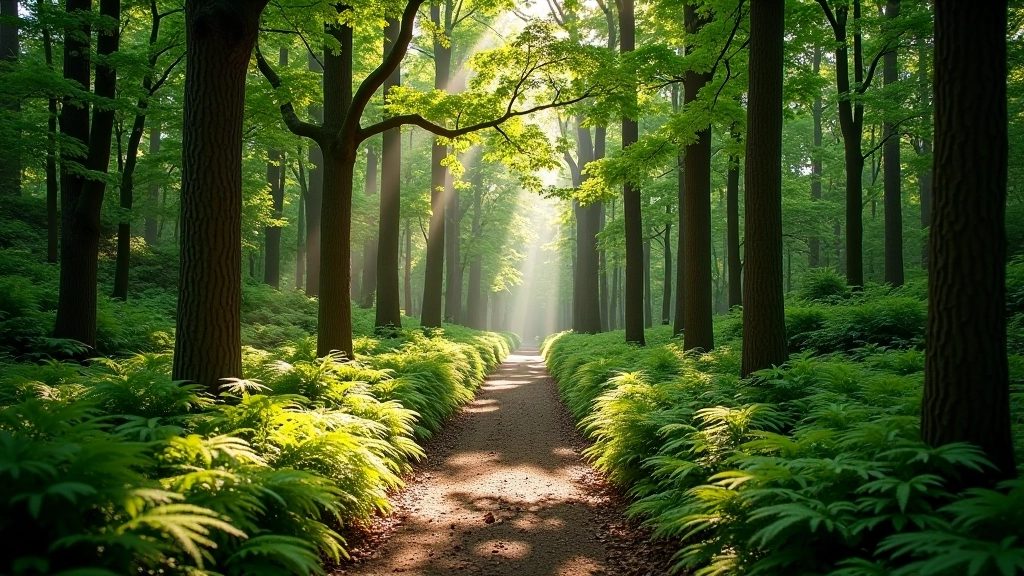
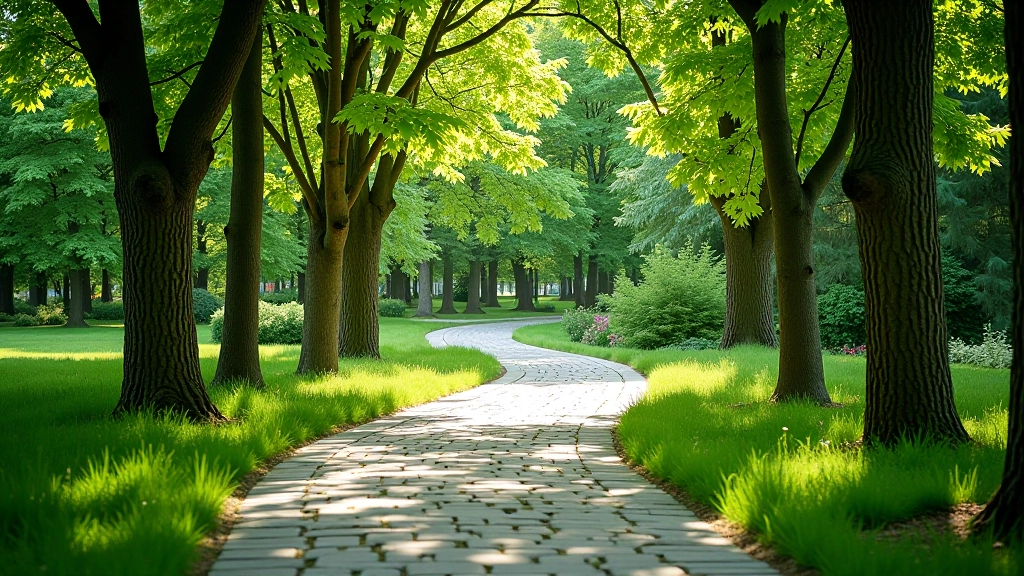
Most peaceful routes use mixed surfaces. You'll find packed earth sections that feel natural underfoot. Gravel paths that are firm but yielding. Occasional paved stretches for accessibility. The variety keeps things interesting without being jarring.
- Packed earth: Natural, soft, varies with weather
- Fine gravel: Stable and relatively easy on joints
- Paved sections: Clear sightlines, accessible, but harder underfoot
- Boardwalks: Protect delicate ecosystems, firm and even
Choose routes that match your comfort level. Don't push yourself onto surfaces that hurt. A peaceful walk shouldn't leave you sore — it should leave you refreshed.
Before You Start
Choose activities that match your fitness level, check local conditions before travelling, and speak with your GP if you have health concerns before starting a new activity.
Planning Your Route
Good planning makes the difference between a stressful outing and a genuinely peaceful experience. Start by knowing what you're walking into. That doesn't mean you need a detailed map — though those help. It means understanding the basics: how long is it, what's the elevation change, where are the rest points?
Distance matters. A peaceful walk isn't about covering ground quickly. If you've got 90 minutes, plan for 1.5 to 2 kilometers, not 4 or 5. Build in time to stop. Time to look around. Time to sit if you want to.
Weather changes everything. The same route feels completely different in morning light versus afternoon, in dry conditions versus after rain. Scout it if you can. Visit at the time of day you're planning to walk. See where the shadows fall. Notice which benches get sun.
Rest Points and Rhythm
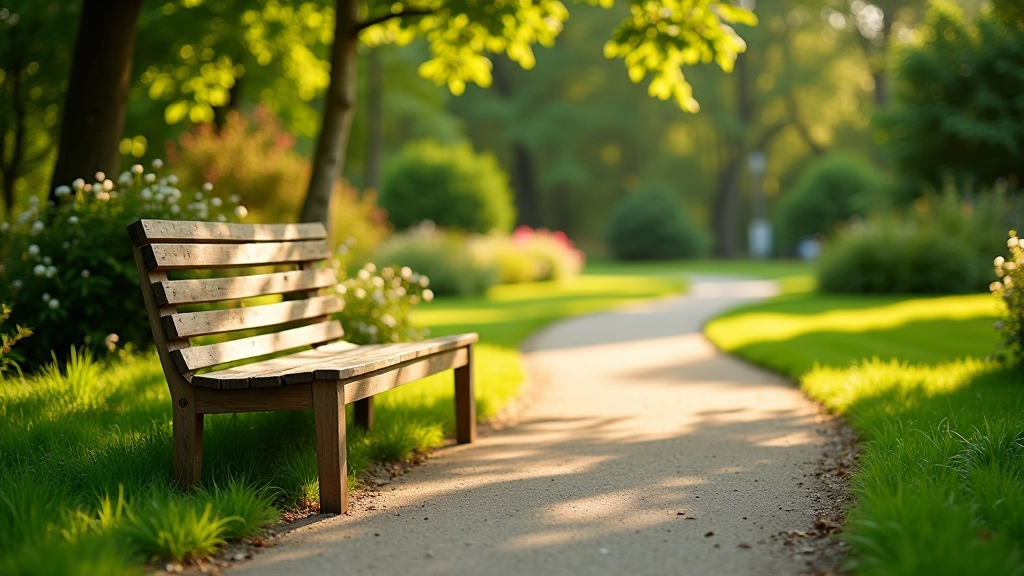
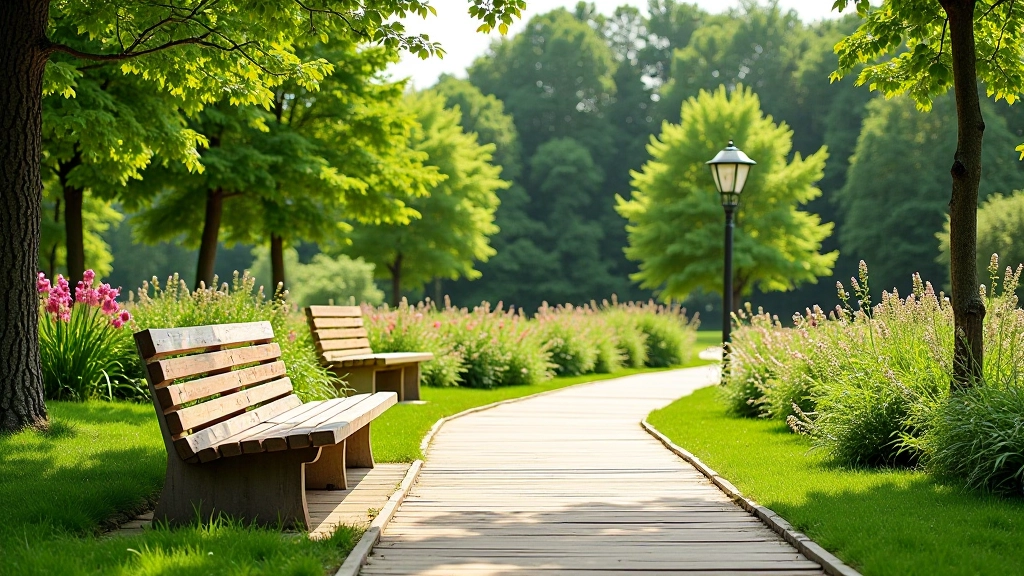
The best quiet routes have rest points every 15-20 minutes of walking. Not because you're tired, but because pausing is part of the experience. A bench. A viewpoint. A clearing. Somewhere natural to stop and breathe.
Think of a peaceful walk as having rhythm — walk, pause, walk, pause. The pauses aren't failures. They're the whole point. That's where the peace actually happens. You're not rushing from one end to the other. You're moving through a landscape, noticing things, letting your mind settle.
Good quiet routes are designed with this in mind. You'll find seating at natural gathering points. Overlooks positioned for good views. Sheltered spots if the weather's iffy. Routes that work with human pacing, not against it.
Building Your Walking Practice
Walking becomes more rewarding when you do it regularly. Not in a rigid, must-do-this way, but as a genuine habit. You start noticing seasonal changes. You remember where the best light hits at different times of day. You find your favorite benches.
Start with one route that feels comfortable. Walk it multiple times. Get to know it. Then, when you're ready, explore another. You don't need to tackle every trail. One or two quiet routes that you genuinely enjoy will serve you better than a long list of unfamiliar paths.
The real benefit of peaceful walking comes from consistency and presence. Show up. Pay attention. Let your mind settle. Over weeks and months, you'll notice something shifts — you're calmer, more grounded, more connected to the seasons and the natural world around you.
Finding Your Peaceful Walk
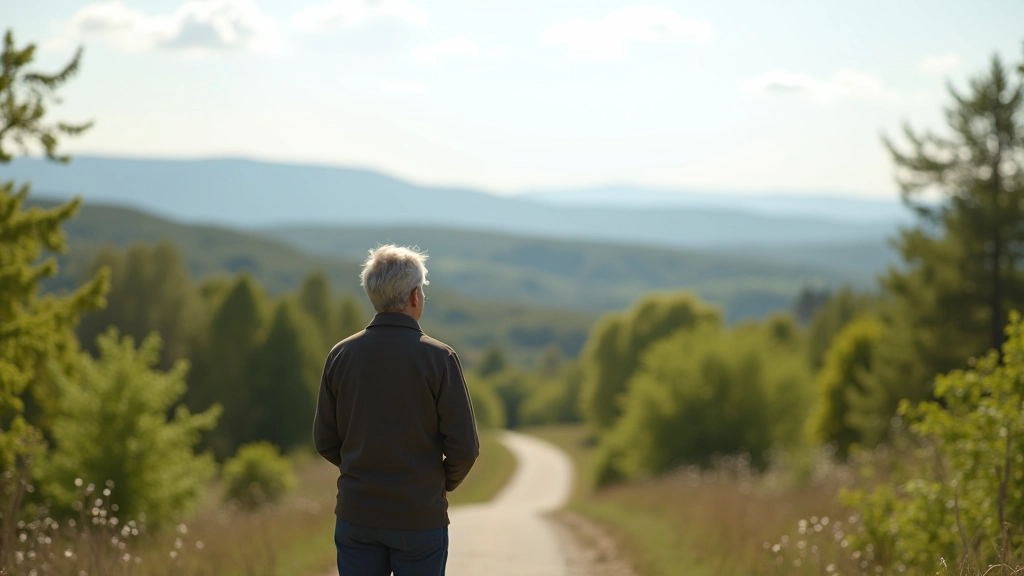
Peaceful routes aren't complicated. They're simply paths designed for slow, mindful walking through beautiful surroundings. The best one for you is the one you'll actually use — the one close enough to visit regularly, with surfaces that feel good under your feet, and enough quiet to let your mind settle.
Start simple. Pick a route. Walk it. Notice what you see, hear, and feel. That's the whole practice. That's where the peace lives.